Latest
Ideas worth using.
Useful guidance, careful research, and sources you can check.
Terminal count per cabinet is normally one payment terminal per kiosk cabinet, and a second unit is only justified when site inputs force concurrent payments. The three inputs that matter are simultaneous users at peak, transaction duration, and the length of the unattended operating window.
Read articleTicketing and registration kiosk specs for non-gaming venues come down to seven modules — queue-number dispenser, thermal ticket/receipt printer, EMV contactless NFC card reader, barcode/QR scanner, camera or ID reader, multi-language audio, and an industrial PC platform — sized around a standing user’s display and…
Read article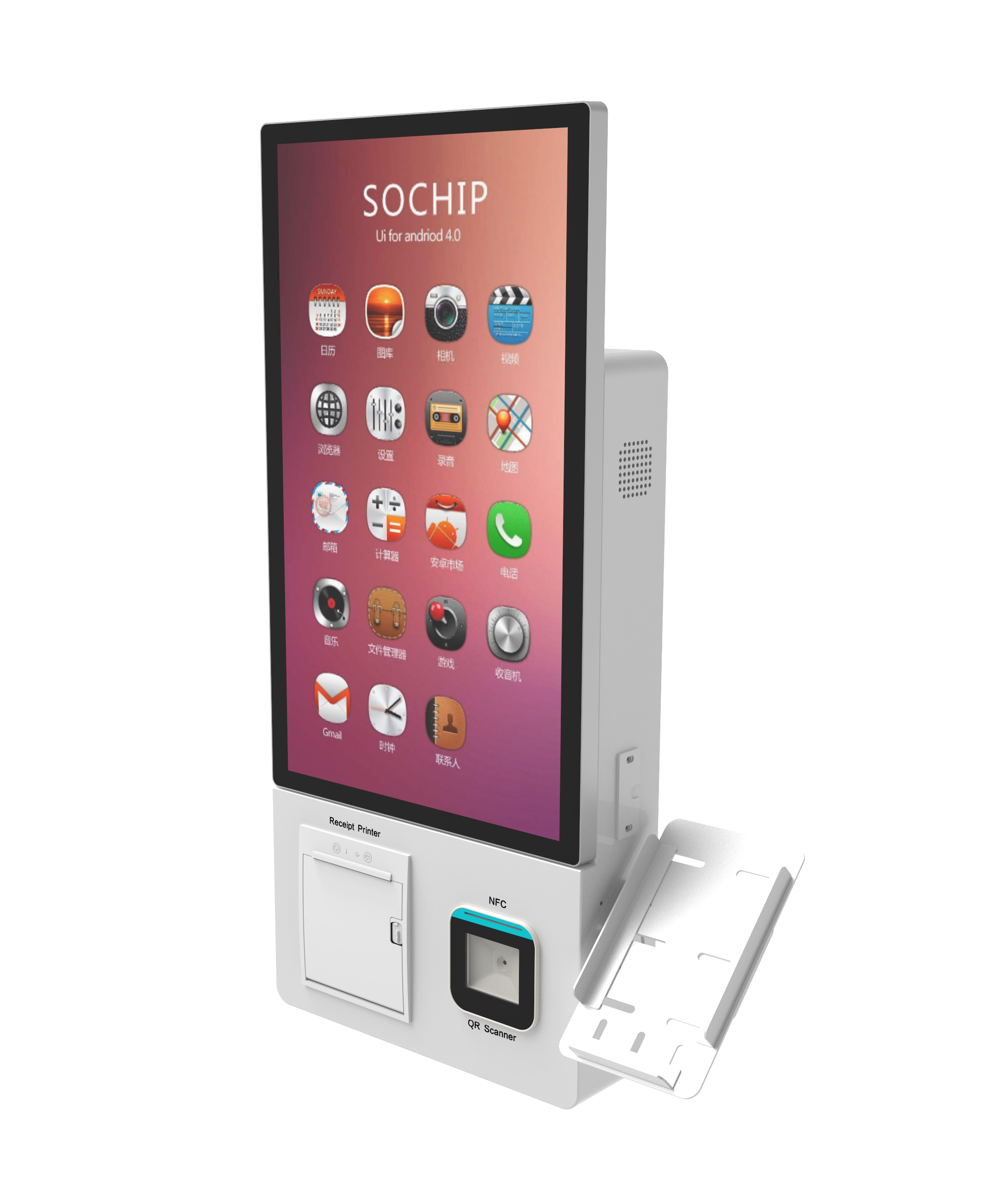
Ticketing and queue kiosk hardware requirements come down to five decisions: the task the user completes, whether a printer is needed, what the scanner or reader must cover, how the unit is mounted, and how a technician reaches the consumables. Settle those in order and…
Read article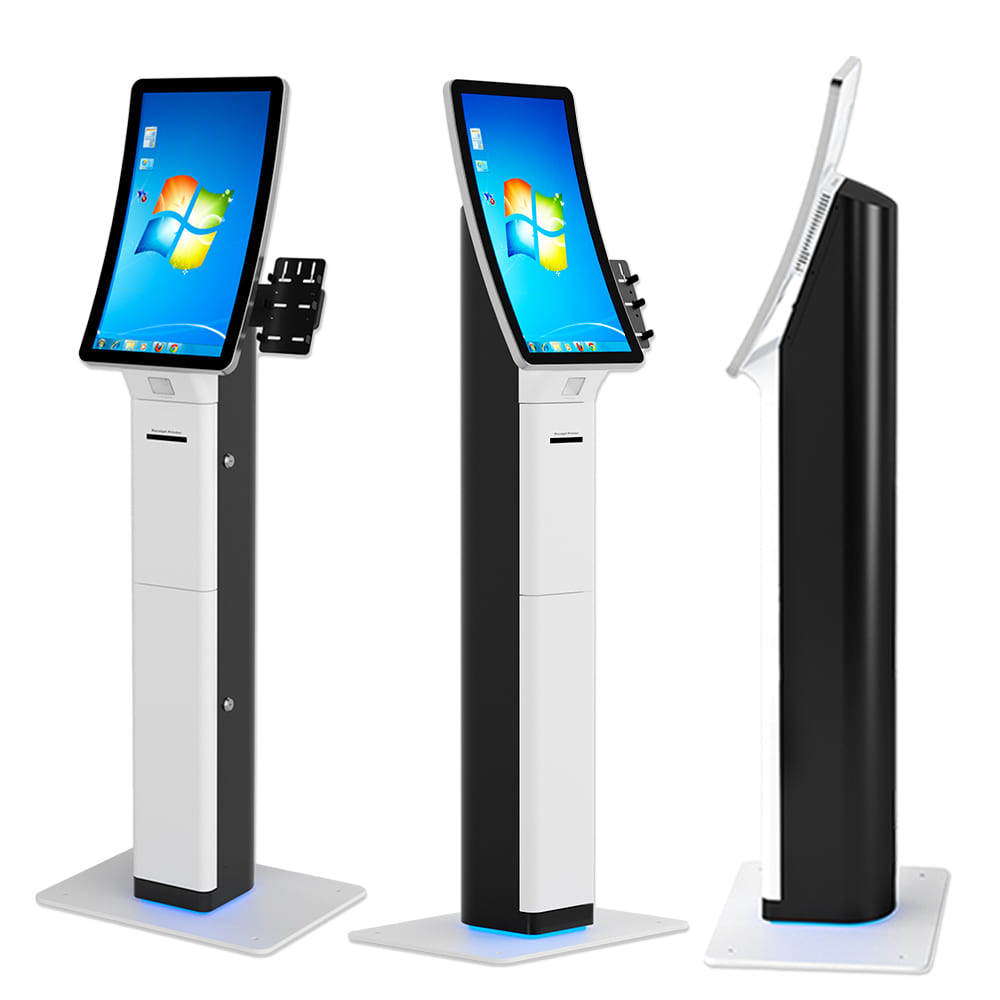
Right-size an edge AI NPU for a self-service kiosk by budgeting TOPS per workload from a live inventory — not from a chip’s peak spec. An RK3588-class part (roughly 6 TOPS) covers audience analytics, item recognition, and personalization; only heavier vision warrants a Hailo-8-class module…
Read article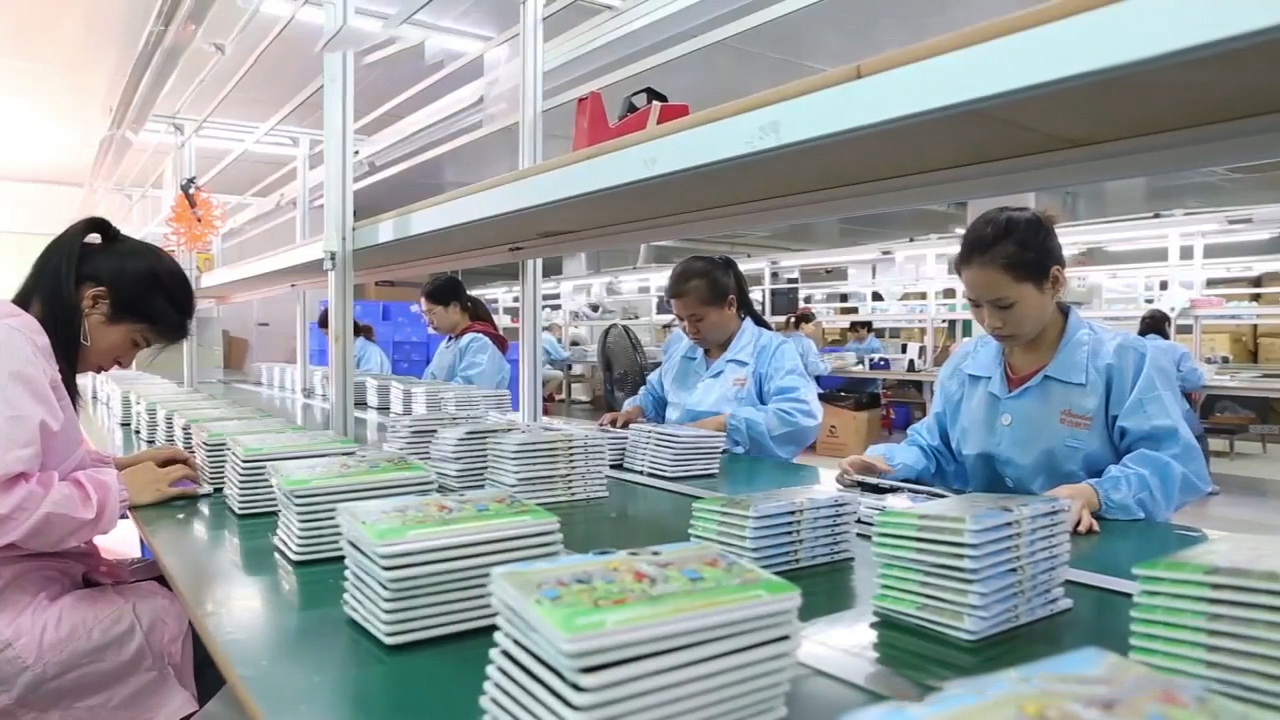
If you already run or are spec’ing a fixed RK3588 fleet, start here: its 6 TOPS NPU still serves conventional edge vision well, but NPU sizing when the edge AI generation changes means the arriving 32 TOPS RK36xx SoCs and 20 TOPS RK182x compute cards…
Read article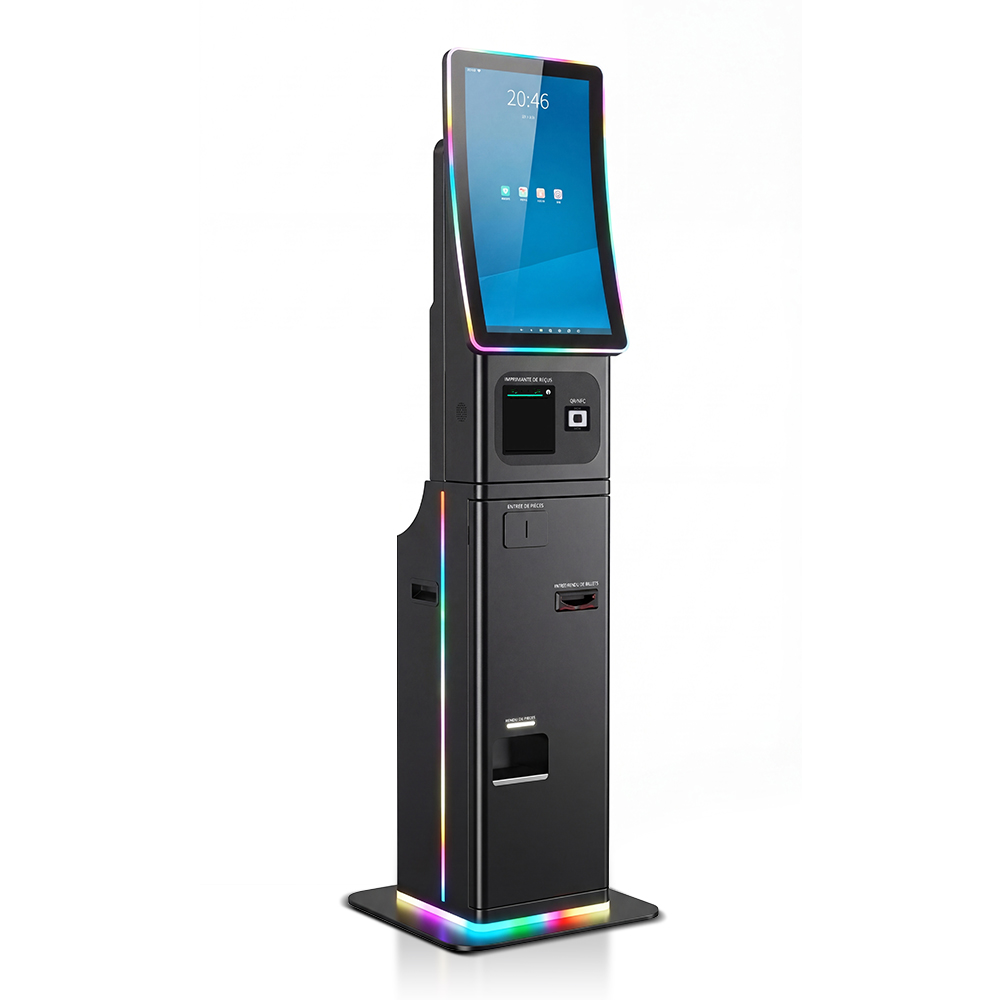
Without an NPU that fits the workload, your kiosk pilot either stalls on latency or wastes board space and cost. For Q2 2026, edge AI NPU sizing for self-service kiosks must weigh vision and people-counting loads at roughly 4-6 TOPS, facial recognition at 6-10 TOPS,…
Read article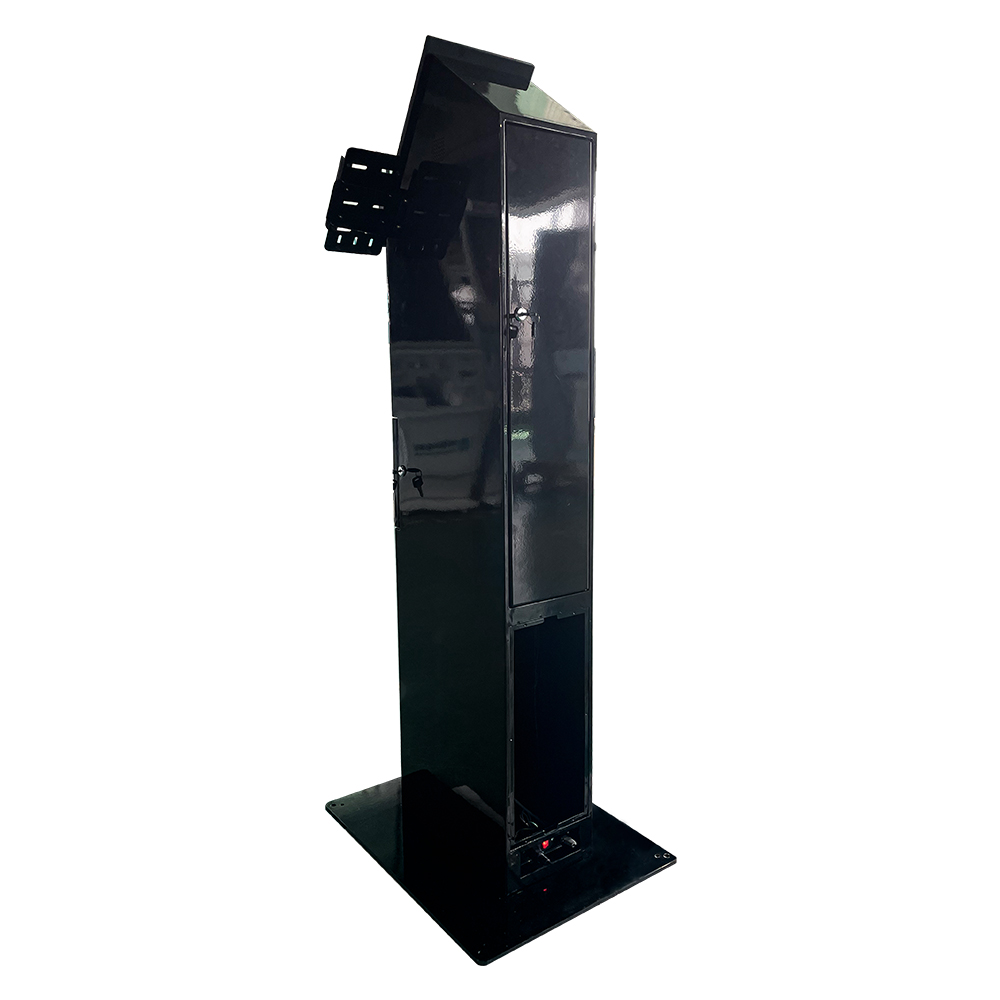
Edge Ai Npu Tablet Pilot Sizing is the decision framework examined in this guide. The sections below turn sourced evidence into practical comparison criteria without overstating what the available research can prove. For a single-unit edge AI NPU tablet pilot in 2026, the practical baseline…
Read article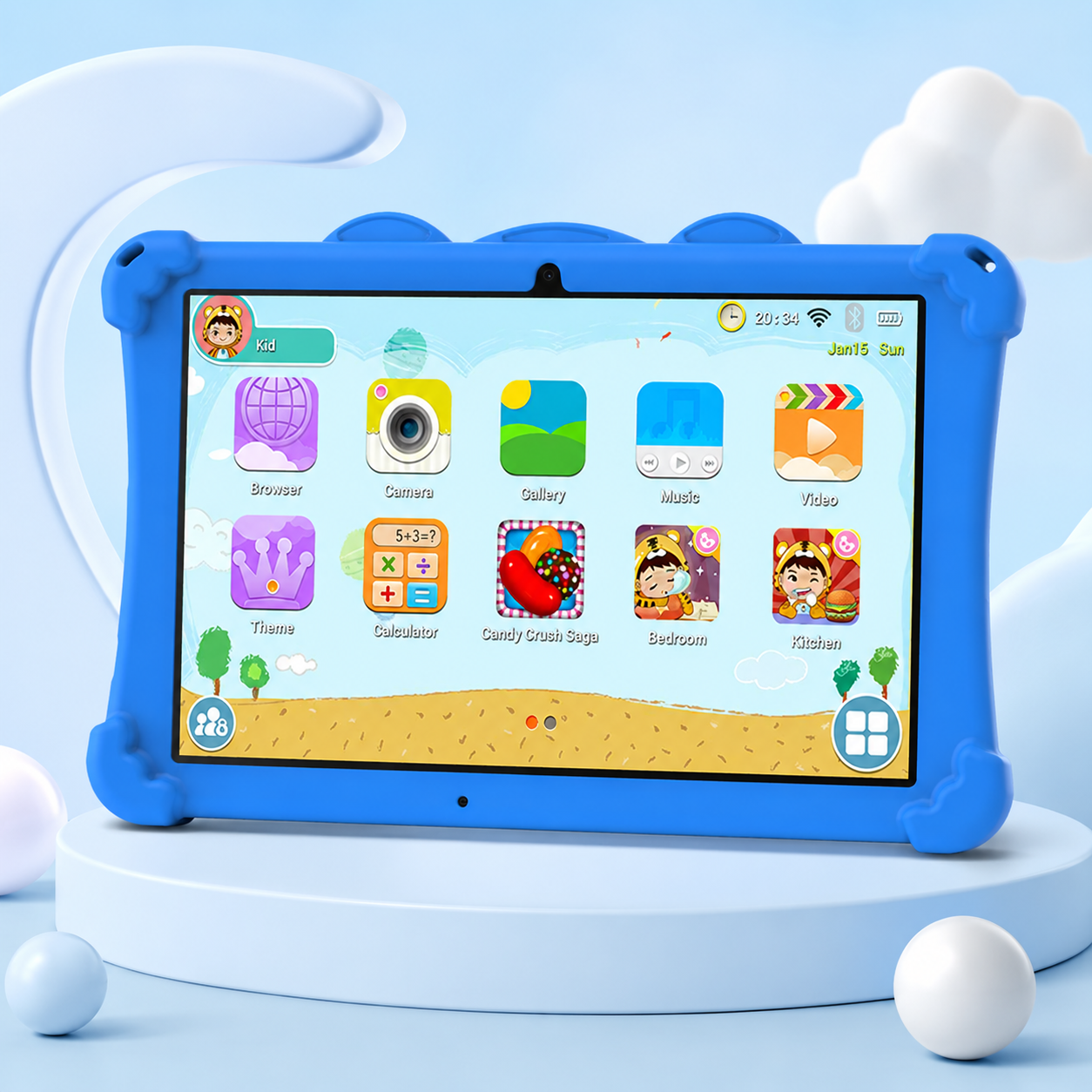
Right sizing edge-AI NPU compute for a 2026 pilot starts with memory, not TOPS. Because LPDDR4X and LPDDR5X are expected to stay undersupplied, your RAM density and SKU choice decide whether a single-unit pilot ships on time or waits on allocation. Plan the memory footprint…
Read article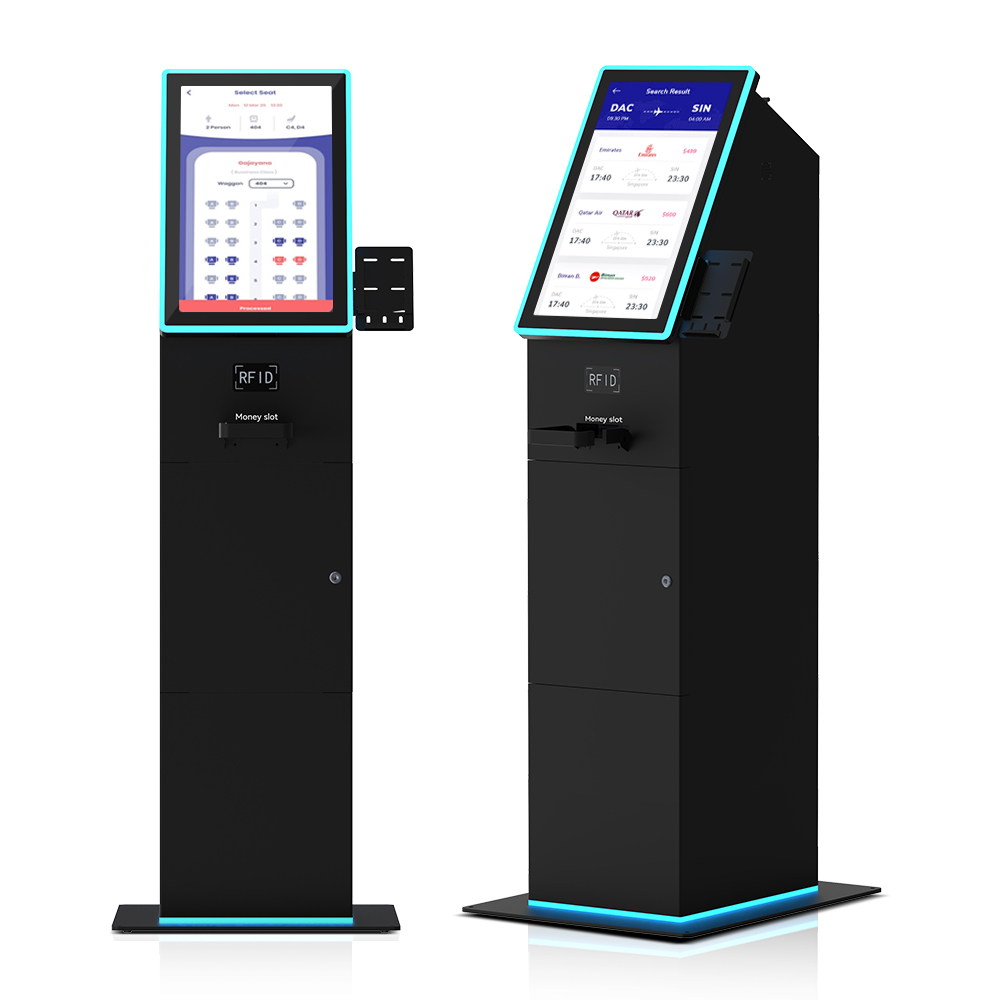
Generative AI on Android tablets flips the sizing question: when a device ships with deep, Gemini-style integration, only latency-critical, offline, and privacy-sensitive inference must run on-device, while heavy reasoning routes to the cloud. That single split drives every other hardware decision. For OEM/ODM deployers, the…
Read article